

Blog
Char dham helicopter yatra
Char Dham Helicopter Yatra: A Complete Guide to Divine Pilgrimage by Air The Char Dham Helicopter Yatra has emerged as one of the most convenient
Joshimath is one of the most spiritually powerful and naturally beautiful towns in Uttarakhand, India. Often called the “Gateway to Badrinath,” joshimath sits peacefully in the Chamoli district, surrounded by snow-clad Himalayan peaks, dense forests, and sacred rivers. For centuries, joshimath has attracted saints, pilgrims, trekkers, and seekers of peace. Discover the essence of joshimath as you explore its enchanting landscapes and rich culture.
The word Joshimath itself carries deep meaning. It is believed to come from “Jyotirmath,” one of the four sacred monasteries established by Adi Shankaracharya. Today, Joshimath is not just a religious town—it is also a cultural center, a base for Himalayan adventures, and a key stop in the Char Dham Yatra.
Whether you’re planning a pilgrimage, a family trip, or a peaceful retreat, Joshimath offers something unforgettable. Visit Joshimath for an extraordinary experience.
The word Joshimath itself carries deep meaning. It is believed to come from “Jyotirmath,” one of the four sacred monasteries established by Adi Shankaracharya. Today, Joshimath is not just a religious town—it is also a cultural center, a base for Himalayan adventures, and a key stop in the Char Dham Yatra.
Joshimath is located at an altitude of about 1,890 meters (6,200 feet) in the Chamoli district of Uttarakhand. It lies at the confluence of the Alaknanda and Dhauliganga rivers. The town is strategically positioned on the route to Badrinath, Hemkund Sahib, and Auli.
Because of its location, Joshimath has always been an important rest point for travelers heading deeper into the Himalayas. Even today, almost every pilgrim to Badrinath passes through Joshimath.
Joshimath holds immense historical and mythological value in Hindu tradition. According to legends, Lord Vishnu meditated here under a Kalpavriksha (wish-fulfilling tree). This spiritual energy is still felt by visitors.
In the 8th century, Adi Shankaracharya established Jyotirmath in Joshimath. This monastery became one of the four major spiritual centers of India. The purpose was to revive Sanatan Dharma and spread Vedantic knowledge.
Joshimath serves as the main halt before reaching Badrinath Dham. During winter, when Badrinath Temple closes, the idol of Lord Badri Vishal is shifted to Joshimath and worshipped here. This makes Joshimath a year-round spiritual destination.

Joshimath is famous for three main reasons: spirituality, scenic beauty, and adventure tourism. It connects sacred sites like Badrinath and Hemkund Sahib while also serving as the base for Auli, one of India’s top hill stations.
Additionally, Joshimath is known for its peaceful environment, ancient temples, and vibrant pilgrim culture. For many travelers, Joshimath feels like a calm bridge between the busy plains and the silent Himalayas.
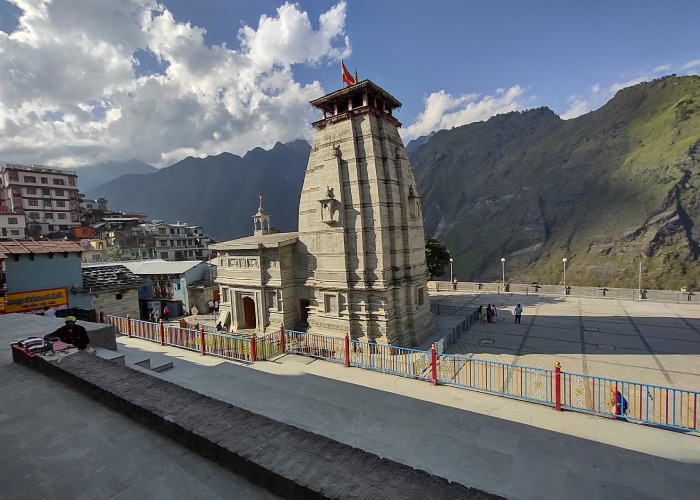

This ancient temple is dedicated to Lord Narasimha, an incarnation of Vishnu. It is one of the most visited places in Joshimath.
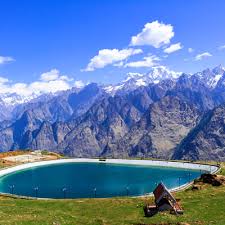
Just 16 km from Joshimath, Auli is famous for snow skiing, ropeway rides, and Himalayan views. Many travelers combine Joshimath with Auli for a spiritual + leisure trip.
Located about 45 km from Joshimath, Badrinath Temple is one of the four shrines of the Char Dham Yatra and one of the most important pilgrimage sites in Hinduism. Dedicated to Lord Vishnu.
April to June: Best for Char Dham Yatra and sightseeing
July to September: Green landscapes, but travel carefully due to monsoon
October to March: Cold and snowy, ideal for Auli trips and winter spiritual stays
Joshimath remains active throughout the year because of its religious importance.
Apart from spirituality, Joshimath is also a base for trekking, skiing, and mountaineering. Popular treks to Valley of Flowers, Hemkund Sahib, and Kuari Pass begin from this region.
Auli, near Joshimath, is internationally recognized for winter sports. So, Joshimath beautifully balances devotion and adventure.
Joshimath lies in a sensitive Himalayan zone. The region reminds us how important sustainable tourism is. Visitors are encouraged to travel responsibly, avoid waste, and support local businesses.
Protecting Joshimath means protecting both spiritual heritage and fragile mountain ecology.
Finding the right hotel in the mountains is very important for a comfortable journey. Travel to Nirvana hotels in Joshimath are selected to provide clean rooms, warm hospitality, and easy access to temples and main routes.
Our hotel options focus on:
Neat and hygienic rooms
Hot water and warm bedding
Mountain-view locations
Proximity to temples and yatra routes
Support for Char Dham pilgrims
Whether you are staying for one night or planning a longer spiritual trip, Travel to Nirvana hotels in Joshimath ensure a peaceful and safe stay.
Joshimath is home to Jyotirmath, one of the four main monasteries of Adi Shankaracharya, and it serves as the winter seat of Lord Badrinath.
Yes, Joshimath is generally safe. However, travelers should follow weather advisories and travel cautiously during monsoons.
2 to 3 days are sufficient to explore Joshimath and nearby attractions like Auli.
Yes. Winter is popular for snow lovers and Auli skiing tourists.
Absolutely. Joshimath is peaceful, spiritual, and family-friendly.
Joshimath is more than a Himalayan town—it is a living spiritual center, a travel base, and a symbol of India’s sacred mountain heritage. From ancient temples to snowy peaks, from peaceful meditation to thrilling adventures, Joshimath offers a complete and meaningful travel experience
Char Dham Helicopter Yatra: A Complete Guide to Divine Pilgrimage by Air The Char Dham Helicopter Yatra has emerged as one of the most convenient
Home joshimath joshimath Joshimath Ultimate Guide 2026: Travel to Nirvana Hotels & Char Dham Yatra Packages in Joshimath Joshimath – Gateway to Badrinath Dham Joshimath

Shrimad Bhagwat Katha Badrinath Registration Shrimad Bhagwat Katha is not just a religious discourse; it is a divine experience that connects devotees directly with Lord