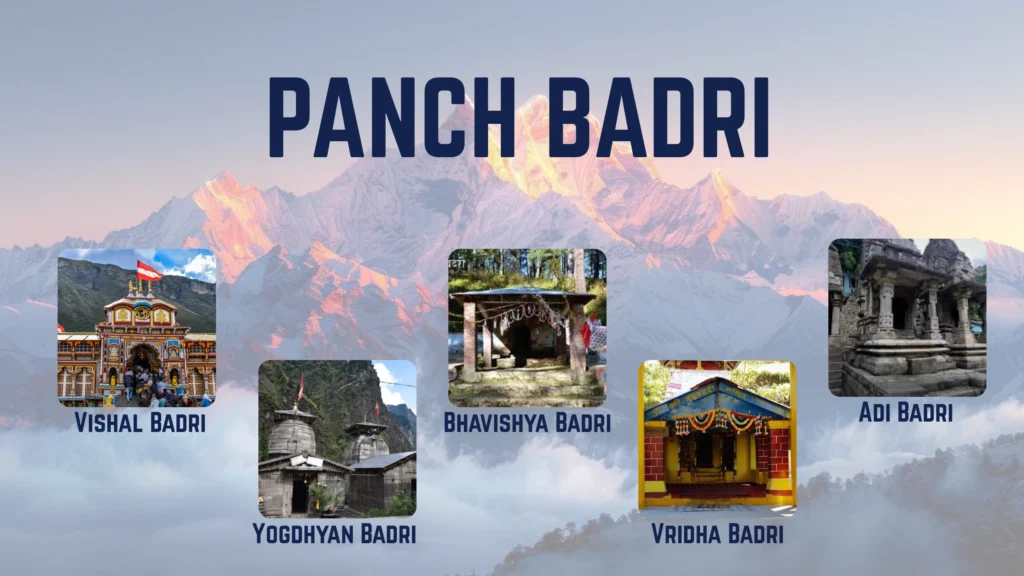
The very mention of Panch Badri fills the mind with a sense of calm, purity, and ancient mysticism. Nestled amidst the breathtaking landscapes of Uttarakhand, these five sacred shrines dedicated to Lord Vishnu form one of the most spiritually significant pilgrimage circuits in India. Each temple—Badrinath, Yogadhyan Badri, Bhavishya Badri, Vriddha Badri, and Adi Badri—holds a unique history, an ancient legend, and a divine aura that attracts thousands of devotees every year. The journey to Panch Badri is more than just a pilgrimage; it is a spiritual expedition that transforms the heart and mind, allowing travelers to reconnect with their deeper selves.
People undertake this yatra not just for religious fulfillment but also for the serene landscapes, refreshing mountain air, and the sacred silence of the Himalayas. Whether you are a seeker of spirituality, a lover of nature, or a curious traveler, Panch Badri offers an unforgettable experience. Many pilgrims also prefer staying at comfortable accommodations during their journey, and one of the best emerging options today is Travel to Nirvana Hotels, known for enhancing the sacred travel experience with comfort, warmth, and unmatched hospitality.
In this article, you’ll explore everything you need to know about the ancient temples of Panch Badri—their legends, routes, history, architecture, best travel time, and how you can elevate your journey with Travel to Nirvana Hotels. If you’ve been dreaming of a peaceful retreat in the Himalayas or planning your next spiritual getaway, this comprehensive guide is your perfect starting point.
The spiritual importance of Panch Badri goes far beyond the physical locations of the temples. In Hinduism, the Himalayas are considered the abode of gods—and among all deities, Lord Vishnu’s presence in the Badrikshetra holds a mystical significance. According to ancient scriptures like the Skanda Purana and Vishnu Purana, Lord Vishnu meditated here for thousands of years, surrounded by the fragrant forests of Badri (wild berries). The locals believe that the divine energy of this region is so powerful that simply visiting the five shrines can cleanse the soul of lifetimes’ worth of negativity and ignorance.
The Panch Badri temples form a sacred circuit dedicated to different manifestations of Lord Vishnu. Each Badri represents a unique spiritual theme—protection, meditation, transformation, knowledge, and preservation. For example, Badrinath represents divine grace, Yogadhyan Badri symbolizes meditation, and Bhavishya Badri is believed to be the future abode of Lord Badrinarayan when the current shrine becomes inaccessible during the Kali Yuga. This belief alone makes the Panch Badri Yatra an important pilgrimage for devotees who seek blessings across all forms of Vishnu’s cosmic roles.
Furthermore, this sacred circuit symbolizes the eternal journey of the soul—from its origin to its evolution and eventual liberation. Those who undertake the Panch Badri pilgrimage often describe it as a deeply personal, transformative experience. Walking through the quiet trails, listening to the sound of flowing rivers, and witnessing ancient rituals performed by temple priests creates a connection with the divine that words cannot fully describe. The energy of the Himalayas acts as a catalyst for spiritual awakening.
From a cultural perspective, Panch Badri also preserves centuries-old traditions, folklore, rituals, and architecture that reflect the heritage of Uttarakhand. The temples, though geographically scattered, are culturally intertwined, forming an unbroken chain of devotion. Many pilgrims choose to stay at peaceful and comfortable accommodations like Travel to Nirvana Hotels, ensuring that their spiritual journey is supported by restful nights and warm hospitality.
The legend of Panch Badri is one of the most captivating stories in Hindu mythology, weaving together devotion, meditation, protection, and the timeless presence of Lord Vishnu in the Himalayas. According to ancient texts, the region now known as Badrikshetra was once covered with abundant berry trees—locally known as Badri. It is said that when Lord Vishnu began his deep meditation in these snow-clad mountains, Goddess Lakshmi transformed herself into a Badri tree to protect him from the harsh weather, providing shade and warmth. Deeply touched by her devotion, Vishnu named the place Badrinath—the Lord (Nath) of Badri.
Another important legend states that during the Satya Yuga, the Pandavas visited this region seeking liberation after the Kurukshetra war. According to folklore, Arjuna practiced meditation in Yogadhyan Badri, and Bhima sought divine guidance in Bhavishya Badri. Vriddha Badri, known as the ancient or elder form of Badri, is believed to be the original worship place before the more popular Badrinath shrine was established. These stories add layers of meaning to each temple, making the journey not just geographic but deeply symbolic.
Perhaps the most intriguing part of the legend lies in Bhavishya Badri, which literally translates to “Future Badri.” Scriptures say that when the route to Badrinath is eventually blocked due to natural calamities (as predicted in the Kali Yuga), the idol of Lord Vishnu will spontaneously appear in Bhavishya Badri, making it the primary seat of worship. This makes it one of the most mysterious and spiritually charged temples in the Panch Badri circuit.
Each temple also reflects specific cosmic functions of Vishnu—protector, meditator, nurturer, and preserver. When pilgrims visit the Panch Badri shrines, it is believed they symbolically move through Vishnu’s different energies, leading to inner purification and spiritual clarity. This is why completing the full Panch Badri Yatra is considered equivalent to performing several other major pilgrimages combined.
Experiencing these ancient legends while traveling through misty mountains and serene valleys adds a magical touch to the journey. If you want to immerse yourself fully in the mythology and calm of Uttarakhand, staying with Travel to Nirvana Hotels allows you to relax and recharge between temple visits, ensuring your spiritual experience remains uninterrupted and deeply fulfilling.
The sacred circuit of Panch Badri is nestled in the serene and spiritually charged Chamoli district of Uttarakhand, India. This region, known as the “Abode of the Gods,” is home to some of the most stunning Himalayan landscapes—ranging from snow-covered peaks and sparkling rivers to lush meadows and dense forests. The five temples are spread across different altitudes, each offering a unique experience in terms of climate, scenery, and spiritual atmosphere. While Badrinath sits majestically at an elevation of around 3,300 meters, Adi Badri rests comfortably at a much lower altitude of about 1,450 meters.
The layout of these temples is such that each one represents a different energy of Lord Vishnu. The shrines are located in a semi-circular pattern within the Alaknanda River valley, making the entire journey both breathtaking and spiritually uplifting. Reaching these shrines requires navigating winding mountain roads, scenic trails, and picturesque villages, which gives pilgrims a chance to truly absorb the essence of the Himalayas. Whether you’re an adventure enthusiast, a spiritual seeker, or a nature lover, the locations of these temples make the experience unforgettable.
The remoteness of the temples also plays a vital role in their charm. While Badrinath is easily accessible through well-maintained roads, temples like Bhavishya Badri and Vriddha Badri require short treks through peaceful forests and mountain paths. These offbeat routes allow travelers to disconnect from the chaos of city life and reconnect with nature in its purest form. Each shrine stands as a reminder of ancient times when sages and yogis walked these same paths seeking enlightenment.
Modern travelers often appreciate comfortable and accessible stays during their journey, especially in regions where temperatures fluctuate drastically. This is where Travel to Nirvana Hotels becomes an ideal choice, offering warm hospitality, cozy rooms, and convenient locations near major points of the Panch Badri circuit. Staying close to the temples ensures that pilgrims have ample time to explore, meditate, and experience each shrine without rushing.
Whether you’re planning your visit during summer or seeking a peaceful winter retreat, knowing the geographical location of each Badri helps you plan a more fulfilling journey. With every kilometer you travel in the Chamoli region, you’ll feel the mountains whispering ancient stories of devotion—inviting your soul to experience the divine magic of Panch Badri.
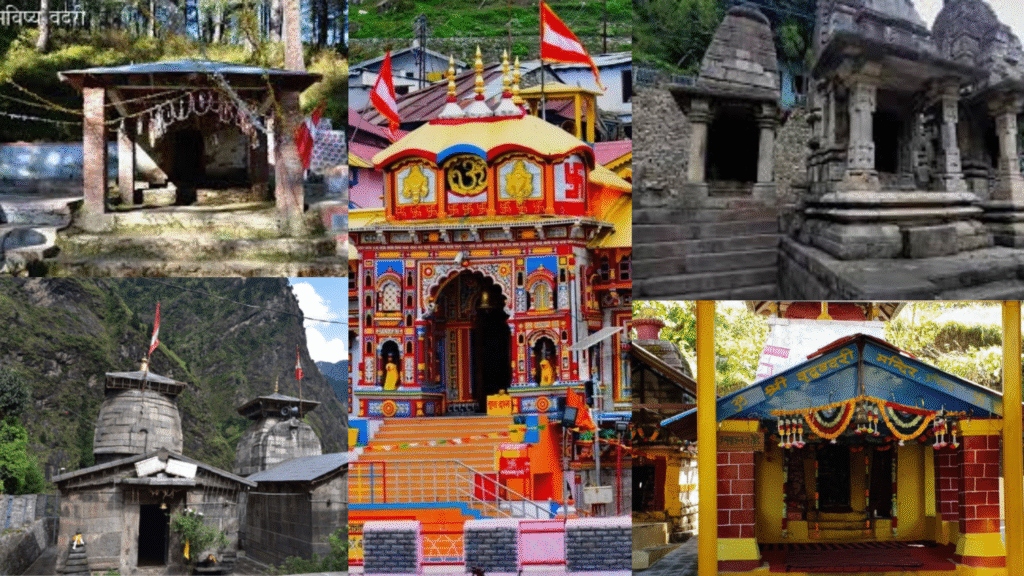
The Panch Badri circuit consists of five sacred shrines dedicated to different manifestations of Lord Vishnu. Each temple carries its own unique history, atmosphere, and spiritual vibration, making the journey rich and meaningful. While the temples are connected through devotion, they are spread across various altitudes and landscapes of Uttarakhand’s Chamoli district, offering a beautiful blend of divinity and nature.
is the most famous and revered among the temples. Considered the primary seat of Lord Vishnu, it attracts millions of pilgrims yearly. Its iconic colorful façade against the dramatic Neelkanth Peak makes it a sight that stays in your memory forever.
located in Pandukeshwar, is believed to be where the Pandavas meditated before their final journey. This temple exudes tranquility, making it ideal for those seeking silence and introspection.
hidden in the dense forests of Subhain Village, is said to be the future seat of Badrinarayan. Scriptures predict that when Badrinath becomes inaccessible, Vishnu will appear here, giving the temple a deeply mystical aura.
located in Animath village, is considered the original Badri shrine, believed to predate the current Badrinath temple. The peaceful setting and ancient idol reflect its historical significance.
near Karnaprayag, marks the starting point of Badrikshetra. With multiple small shrines clustered together, it offers a rich archaeological and spiritual experience.
Staying at Travel to Nirvana Hotels throughout this journey ensures comfort, warmth, and an ideal base for exploring all five temples with ease.
The history of Panch Badri is a fascinating blend of mythology, ancient architecture, and centuries-old spiritual practices. Each temple has evolved through time, carrying forward legends that continue to inspire millions of devotees.
has references in the Vedas, Puranas, and various ancient scriptures. Adi Shankaracharya is credited with reviving this temple in the 8th century, rediscovering the idol of Lord Vishnu in the Alaknanda River and establishing it as one of the most important pilgrimage sites in Hinduism. Over the centuries, kings of Garhwal and various devotees have contributed to its restoration and upkeep.
is historically linked to the Pandavas. According to legend, after the Kurukshetra war, they sought penance here. It is believed that King Pandu himself meditated in this region, lending the temple its serene and contemplative energy. The idol here is in a meditative form, emphasizing stillness and inner peace.
has a unique place in history due to the prophecy associated with it. Scriptures mention that when the route to Badrinath becomes inaccessible, the idol of Vishnu will shift here. This belief has made the temple an important part of future Hindu narratives.
predates the modern Badrinath temple. It is believed that Lord Vishnu appeared here in an old man’s form to bless a devout sage. This makes it one of the oldest Vishnu temples in the region.
dates back to the Gupta period (5th–8th century). Its cluster of temples showcases classic North Indian Nagara architectural style, highlighting its historical and archaeological value.
Choosing Travel to Nirvana Hotels nearby allows you to explore these ancient marvels comfortably and thoroughly.
The architecture of the Panch Badri temples beautifully reflects the ancient Himalayan style—simple yet deeply powerful, blending seamlessly with nature. Each temple is constructed with stone, intricate carvings, and traditional wooden elements that echo the architectural brilliance of Uttarakhand’s early periods. Unlike grand metropolitan temples, these shrines are intimate and raw, preserving their original charm and spiritual essence.
stands out with its vibrant colors, conical shape, and arched windows inspired by Buddhist influences. The towering Neelkanth Peak behind it adds to its dramatic presence. Inside, the sanctum houses the black stone idol of Lord Badrinarayan, sitting in Padmasana. The air inside feels ancient, as though centuries of prayers still resonate within the stone walls.
features a peaceful courtyard and simple stone architecture that mirrors its meditative purpose. The idol here is in a rare yogic posture, enhancing the temple’s tranquil ambience.
is tucked inside lush forests. Its wooden and stone structure blends perfectly with the wilderness, making it feel like a hidden spiritual retreat. The pathway leading to this temple adds to the mystical experience.
is modest yet historically rich. Its temple design reflects the antiquity of the region, with stone carvings that are believed to be centuries old.
, with its cluster of small temples, highlights ancient North Indian Nagara architecture. The pyramidal shikharas, stone doorways, and detailed motifs give the site a timeless beauty.
The calmness, fresh mountain air, and natural surroundings elevate the spiritual atmosphere across all five temples. Staying at Travel to Nirvana Hotels ensures you experience this divine serenity while enjoying modern comfort.
Choosing the right time for your Panch Badri journey ensures a comfortable, safe, and spiritually enriching experience. Since the temples are located across varying altitudes of the Himalayas, weather plays a major role in accessibility. The best time to visit Panch Badri is from May to October, when the climate is pleasant and the roads are open.
To make your journey smoother, comfortable accommodations such as Travel to Nirvana Hotels provide warmth, rest, and convenience during the best pilgrimage months.
Understanding the weather of the Panch Badri region is essential for planning a smooth and safe pilgrimage. Because the five temples lie at different altitudes across the Chamoli district, the climate can shift dramatically within a single day. The region is dominated by the mighty Himalayas, which means cold winds, sudden showers, and temperature drops are common.
Planning your stay at warm, reliable accommodations—especially top-rated Badrinath hotels like Travel to Nirvana Hotels—ensures you stay safe and comfortable throughout your spiritual journey.
Reaching the sacred Panch Badri shrines is an adventure in itself, taking you through winding mountain roads, riverside routes, and scenic valleys of Uttarakhand. The journey is accessible yet thrilling, making it a memorable part of the pilgrimage. Whether you’re traveling by road, rail, or air, reaching these divine locations is easier than ever.
The route generally includes destinations like Rudraprayag, Karnaprayag, Joshimath, and Pandukeshwar—each filled with natural beauty and spiritual heritage. Comfortable stays at Travel to Nirvana Hotels or other well-reviewed Badrinath hotels make your long drive more restful and enjoyable.
With good connectivity and beautiful landscapes, the journey to Panch Badri becomes as divine as the temples themselves.
Planning the Panch Badri Yatra becomes much easier when you have a clear route map. The temples are spread across the Chamoli district, but with the right route, the journey flows naturally—offering breathtaking views and a deeply spiritual experience. Below is a simple, traveler-friendly step-by-step guide to help you navigate the yatra with ease.
This sequence ensures smooth travel, minimal backtracking, and an enriching spiritual experience.
A pilgrimage to Panch Badri is a beautiful blend of devotion, nature, and adventure. However, because the temples lie across different altitudes and terrains, preparing well ensures a smooth, safe, and spiritually fulfilling journey. Here are some essential tips to keep in mind before you begin your yatra.
These simple tips help you enjoy a safe, peaceful, and memorable Panch Badri Yatra.
A spiritually intense journey like the Panch Badri Yatra deserves restful, comfortable, and calming accommodation. After long drives through mountain roads, temple visits, and occasional treks, your body needs a warm and peaceful place to unwind. This is where Travel to Nirvana Hotels truly elevates the experience. Designed for pilgrims and travelers seeking both comfort and serenity, these hotels offer the perfect blend of hospitality and spirituality.
Strategically located near major pilgrimage points, Travel to Nirvana Hotels provide easy access to the Badri temples—especially Badrinath, Yogadhyan Badri, and Vriddha Badri. Many travelers choose them over other Badrinath hotels because of their superior cleanliness, cozy rooms, and excellent food. The ambiance is calm, quiet, and ideal for meditation or reflecting on the day’s experiences.
The staff is well-versed with the needs of pilgrims, often guiding guests with route information, temple timings, and local customs. Their warm hospitality ensures that visitors feel at home—even in the high altitudes of the Himalayas. After a day of spiritual exploration, returning to a comfortable room with hot water, soft bedding, and delicious meals feels like a blessing in itself.
Travel to Nirvana Hotels also focus on safety, offering reliable power backup, clean drinking water, and heating options. This is especially important in colder months when temperatures drop significantly in the mountains.
For travelers looking for convenience, comfort, and spiritual vibes wrapped into one, Travel to Nirvana Hotels stand out as one of the best choices among Badrinath hotels and accommodations across the Panch Badri route.
The region surrounding Panch Badri is rich in culture, traditions, and vibrant festivals that reflect the spiritual heartbeat of Uttarakhand. The local people, known for their warmth and simplicity, follow customs that have been passed down for generations. Their lifestyle is deeply influenced by the Himalayas, with devotion woven seamlessly into daily routines. When pilgrims visit these sacred shrines, they don’t just witness temples—they experience an entire cultural ecosystem.
One of the most prominent traditions is Bhotiya culture, practiced by local tribes such as the Marchas and Tolchas. Their traditional attire, woolen handicrafts, and folk music add charm to the pilgrimage journey. During temple ceremonies, you can hear devotional chants and drums echoing across the valleys, creating an atmosphere that feels truly divine.
Festivals like Mata Murti Ka Mela, Badri-Kedar Utsav, and Vishnuprayag Festival attract thousands of pilgrims every year. These festivals include traditional dance performances, local songs, and rituals that honor Lord Vishnu. The energy during these events is incredible, and many travelers time their yatra to coincide with these celebrations.
The cuisine of the region is another cultural highlight. Simple, nutritious dishes like Mandua roti, Jhangore ki kheer, Rabri, and Aloo ke Gutke are commonly enjoyed by pilgrims. Hotels and dhabas along the route, including Travel to Nirvana Hotels and other top-rated Badrinath hotels, serve delicious vegetarian meals prepared with fresh local ingredients.
Interacting with locals, participating in rituals, and experiencing ancient Himalayan customs make the Panch Badri journey not just a pilgrimage but a cultural immersion. The rich heritage adds depth and soul to every moment spent in these sacred mountains.
The Panch Badri journey isn’t just a spiritual experience—it’s also a delightful exploration of Uttarakhand’s simple yet flavorful mountain cuisine. The food here is warm, comforting, and perfectly suited to the cold Himalayan climate. Most dishes are prepared using local grains, lentils, herbs, and ghee, making every meal feel nourishing and wholesome.
One of the must-try foods is Mandua ki Roti, a nutritious flatbread made from finger millet. It pairs beautifully with Phaanu, a protein-rich lentil preparation cooked slowly to enhance flavor. Pilgrims also enjoy Aloo ke Gutke, a traditional Kumaoni dish made with boiled potatoes sautéed in local spices and finished with coriander. Its simplicity makes it a favorite comfort food among travelers.
A sweet highlight of the region is Jhangore ki Kheer, a creamy dessert made from barnyard millet, milk, and dry fruits. Warm, rich, and satisfying, it’s often served during festive times and temple celebrations. Kafuli, a spinach-based dish, and Chainsoo, made from roasted urad dal, are also popular local delicacies worth trying.
Most eateries along the route offer vegetarian meals in keeping with pilgrimage traditions. The food is usually freshly cooked and lightly spiced, making it easy on the stomach during high-altitude travel. If you’re staying with Travel to Nirvana Hotels, you can expect hygienic, homely meals prepared with care—perfect after a long day of temple visits. These hotels, along with other reputable Badrinath hotels, often include local dishes on their menus, allowing pilgrims to experience authentic mountain flavors.
Tasting the local cuisine adds a warm, cultural touch to your Panch Badri Yatra, making each meal a memorable part of your journey.
While the Panch Badri pilgrimage is primarily a spiritual journey, the region also offers plenty of adventure and sightseeing opportunities that make the trip more memorable. Nestled in the heart of the Himalayas, the area is rich with rivers, waterfalls, trekking trails, and ancient villages, providing travelers with both excitement and tranquility.
For nature lovers, visiting Mana Village, the last Indian village before the Tibet border, is a must. Here, you can explore ancient temples, quaint streets, and the legendary Vasudhara Falls, a majestic waterfall surrounded by verdant meadows. Trekking enthusiasts can enjoy trails around Bhavishya Badri and Adi Badri, offering panoramic Himalayan views, crystal-clear streams, and untouched forests.
The nearby Auli region is famous for skiing during winters and lush meadows in summer. Pilgrims often combine their Panch Badri Yatra with short sightseeing trips, making the journey both spiritual and adventurous. The lush surroundings and serene rivers also provide perfect spots for meditation and reflection.
After a long day of trekking or exploring, staying at comfortable accommodations becomes essential. Travel to Nirvana Hotels, along with other top-rated Badrinath hotels, offers cozy rooms, warm meals, and a peaceful environment for rest. Their strategic location near major temples and tourist spots ensures easy access to adventure activities without compromising comfort.
Combining spiritual visits with adventure and sightseeing creates a holistic experience for travelers, making the Panch Badri journey unforgettable. With the right planning and accommodation, every moment can be both thrilling and soul-soothing.
The Panch Badri pilgrimage is more than just a journey to five ancient temples—it is a holistic experience that blends spirituality, culture, nature, and adventure. Visiting Badrinath, Yogadhyan Badri, Bhavishya Badri, Vriddha Badri, and Adi Badri offers devotees a profound connection with Lord Vishnu and an opportunity to cleanse the mind, body, and soul. Each temple tells a story, preserves centuries-old traditions, and provides a serene escape from the noise and rush of modern life.
What makes the Panch Badri yatra even more special is the surrounding Himalayan landscape. The rivers, mountains, forests, and local villages contribute to a meditative environment, allowing pilgrims to reflect and rejuvenate. Festivals, local culture, and authentic cuisine further enrich the experience, creating memories that last a lifetime.
Comfortable stays are essential for a fulfilling pilgrimage. Hotels like Travel to Nirvana Hotels and other trusted Badrinath hotels provide the perfect blend of warmth, convenience, and spiritual ambiance. They ensure that your journey is not only safe and comfortable but also deeply immersive, letting you focus fully on devotion and exploration.
Whether you are a spiritual seeker, an adventure enthusiast, or a traveler in love with Himalayan beauty, Panch Badri offers a unique, soul-stirring experience. From the ancient legends to the tranquil temples and scenic landscapes, every aspect of this pilgrimage resonates with divinity.
Embark on your Panch Badri journey, and let the Himalayas guide you toward peace, enlightenment, and unforgettable memories.
The ideal time is May to October, when the weather is pleasant and most temples, including Badrinath, are open. Monsoon months (July–September) are scenic but require caution due to slippery roads.
You can travel by air via Jolly Grant Airport (Dehradun), by rail via Rishikesh, or by road from Haridwar, Rishikesh, or Joshimath. Comfortable stays are available at Badrinath hotels and Travel to Nirvana Hotels along the route.
Not all temples are directly accessible by vehicle. Badrinath and Adi Badri are reachable by road, while Bhavishya Badri and Vriddha Badri may require short treks. Travel to Nirvana Hotels offers guidance on these routes.
From budget lodges to premium stays, there are multiple options. Travel to Nirvana Hotels and other trusted Badrinath hotels provide comfortable rooms, hot meals, and easy access to temples.
Absolutely. With proper planning, moderate trekking, and stays at family-friendly hotels like Travel to Nirvana Hotels, pilgrims of all ages can enjoy a safe, enriching experience.