
panch kedar temple

Panch Kedar Temple – A Complete Guide to the Sacred Himalayan Pilgrimage

The majestic Himalayan region of Uttarakhand is home to some of the most spiritually potent places in India, and among them, the Panch Kedar temple circuit stands out with unmatched divinity. Each year, thousands of devotees, trekkers, and seekers embark on the legendary Panch Kedar Yatra—a pilgrimage that encompasses the five sacred shrines of Lord Shiva. This Yatra is not just a religious journey but a soulful experience, blending mythological richness, breathtaking nature, and a deep sense of inner calm. For many, it becomes a life-changing spiritual adventure.

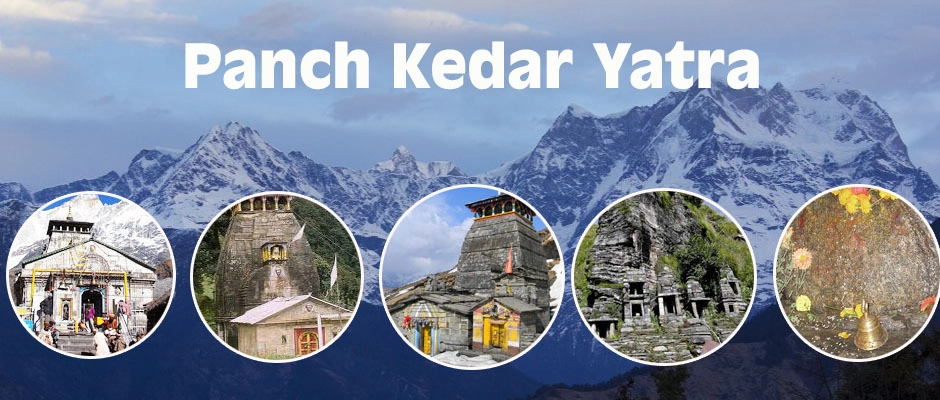
The term Panch Kedar refers to the five sacred temples of Lord Shiva: Kedarnath, Tungnath, Rudranath, Madhyamaheshwar, and Kalpeshwar. These temples are connected through a mythological thread woven with devotion, penance, forgiveness, and salvation. Each temple represents a unique form of Shiva, making the entire journey feel like connecting five pieces of a cosmic puzzle. The Himalayas, known as the abode of Shiva, make this pilgrimage even more powerful, as every step brings you closer to untouched nature and deep spiritual energy.

What makes the Panch Kedar temple circuit truly fascinating is the way mythology meets geography. These temples are not located close to each other; instead, they are spread across remote and high-altitude regions, accessible only through trekking. This adds a sense of adventure and authenticity to the experience. The journey, though challenging, is incredibly fulfilling, leaving a lasting imprint on your heart.

In this article, you will discover everything about the Panch Kedar temples—history, myths, routes, best time to visit, tips, and a complete travel guide. If you’ve ever dreamt of undertaking a Himalayan pilgrimage, or simply want to understand the significance of Panch Kedarnath deeply, this guide will walk you through every detail.

Want to book this yatra?

Contact Us

    Origin of Panch Kedar: The Legend of the Pandavas

    The story of the Panch Kedar temples begins with an emotional and spiritual tale from the Mahabharata—one that reveals devotion, guilt, and ultimately redemption. After the Kurukshetra war, the Pandavas were burdened with the sin of killing their own relatives, teachers, and revered elders. Despite winning the war, they were spiritually devastated. To seek liberation from their sins, they were advised by Lord Krishna to seek the blessings of Lord Shiva, who is known as the granter of liberation (moksha).

    But Shiva, deeply displeased with the violence of the war, did not wish to meet them. So, as the Pandavas approached, Shiva disguised himself as a bull (Nandi) and tried to disappear underground. However, Bhima, the second Pandava, recognized him and tried to hold the divine bull back. In the struggle that followed, the bull’s body split into five parts, and each part appeared in different locations in the Himalayas. These five places later became the sacred sites we now know as the Panch Kedar temples.

    Here’s how the divine manifestation occurred:

    1. Kedarnath: Shiva’s hump appeared here.

    2. Tungnath: His arms manifested at this site.

    3. Rudranath: His face emerged in this rocky temple.

    4. Madhyamaheshwar: His navel (stomach) surfaced here.

    5. Kalpeshwar: His matted hair (jata) appeared in this cave temple.

    This event symbolizes that even God can avoid devotees when approached with impurity, yet when the devotion is true and the seeking is sincere, divine grace reveals itself in multiple forms. That is the very soul of Panch Kedar Yatra—a journey that teaches humility, persistence, and the beauty of divine pursuit.

    The legend also reveals a deep metaphysical truth: Shiva is not limited to one place or one form. Just like the five elements of nature, his energy disperses across mountains, caves, rocks, and rivers. When pilgrims undertake the Panch Kedar Yatra, they are essentially stitching together these five divine energies—creating a complete spiritual experience. Over time, this legend not only shaped Uttarakhand’s religious landscape but also established the region as one of the most important Shaivite pilgrimage circuits in the world.

    Why is Panch Kedar Spiritually Important?

    The Panch Kedar temple circuit is not just a pilgrimage—it is an inward journey through some of the purest landscapes on Earth. Each temple is situated in a stunningly remote location, away from the noise of modern life. This isolation itself becomes a form of meditation, allowing pilgrims to reconnect with themselves. But beyond this natural tranquility, Panch Kedar carries profound spiritual meaning.

    Shiva is known as the destroyer of ego, and the Panch Kedar Yatra mirrors this process. The rigorous treks, unpredictable weather, and steep climbs push travelers out of their comfort zones. With every step, you shed impatience, fear, and attachment. Many describe the journey as “a walk into one’s own soul,” and it’s hard to disagree once you’ve experienced the silence of the Himalayas. In today’s world, where the mind is constantly overstimulated, the Panch Kedar Yatra feels like a sacred detox for the spirit.

    Moreover, each of the five temples represents a different aspect of Lord Shiva’s cosmic form—making the pilgrimage spiritually complete. Kedarnath offers raw, intense energy; Tungnath brings clarity; Rudranath gives emotional purification; Madhyamaheshwar radiates peace; Kalpeshwar provides grounding. The blend of these energies helps devotees experience Shiva not as a statue or symbol but as a living presence woven into the very mountains.

    Even if someone is not deeply religious, the Panch Kedar temples offer something incredibly valuable—mindfulness, humility, and an experience of life’s simplicity. That’s why this pilgrimage continues to attract not only devotees but also thinkers, wanderers, healers, and seekers of inner transformation.

    Geographical Location of All Panch Kedar Temples

    The stunning beauty of the Panch Kedar temples lies not only in their mythology but also in their breathtaking geographical setting. Nestled deep within the Garhwal Himalayas of Uttarakhand, these temples are scattered across rugged terrains, high-altitude meadows, dense forests, and rocky cliffs. Each temple sits in an area where nature feels untouched, raw, and deeply spiritual. This is what makes the Panch Kedar Yatra a one-of-a-kind experience—half pilgrimage, half adventure, and entirely unforgettable.

    The five temples—Kedarnath, Tungnath, Rudranath, Madhyamaheshwar, and Kalpeshwar—are not located close to each other. In fact, they form a natural circuit stretching over hundreds of kilometers. The region is filled with mountain peaks that touch the sky, glaciers that shine like silver under the sunlight, and valley trails that feel like passages into another world. The elevation varies dramatically—from Kalpeshwar at around 2,200 meters to Tungnath at nearly 3,680 meters, making it the highest Shiva temple in the world.

    What makes this region fascinating is how the landscape changes drastically from one temple to the next. For example, the trek to Kedarnath takes you through a dramatic gorge carved by the Mandakini River, surrounded by snow-capped giant peaks. Tungnath, on the other hand, greets you with golden meadows known as bugyals that look like a natural kingdom carved for the gods themselves. Rudranath is located in a remote corner of the mountains, hidden behind natural rock formations, offering an aura so mystical that pilgrims often pause in silence before entering. Madhyamaheshwar is surrounded by lush forests and rolling hills, making every step feel peaceful and grounding. Kalpeshwar is the most accessible temple and takes you through serene villages filled with traditional stone houses and terraced fields.

    Because of this unique layout, the Panch Kedarnath route is considered one of India’s most rewarding pilgrimages. The terrain challenges you, the weather tests your determination, but the views and energy revive your soul. GPS signals often don’t work in these mountains, and that’s the beauty of it—you rely on nature, locals, and your own intuition.

    Travelers often say that the Himalayas feel alive in this region. With every breath, you inhale crisp mountain air; with every step, you feel embraced by ancient energy. The geographical setting of the Panch Kedar temples is not just scenery—it’s part of the spiritual experience, guiding you toward a deeper connection with the divine.

    1. Kedarnath – The First and the Most Powerful Panch Kedar

    panch kedar yatra

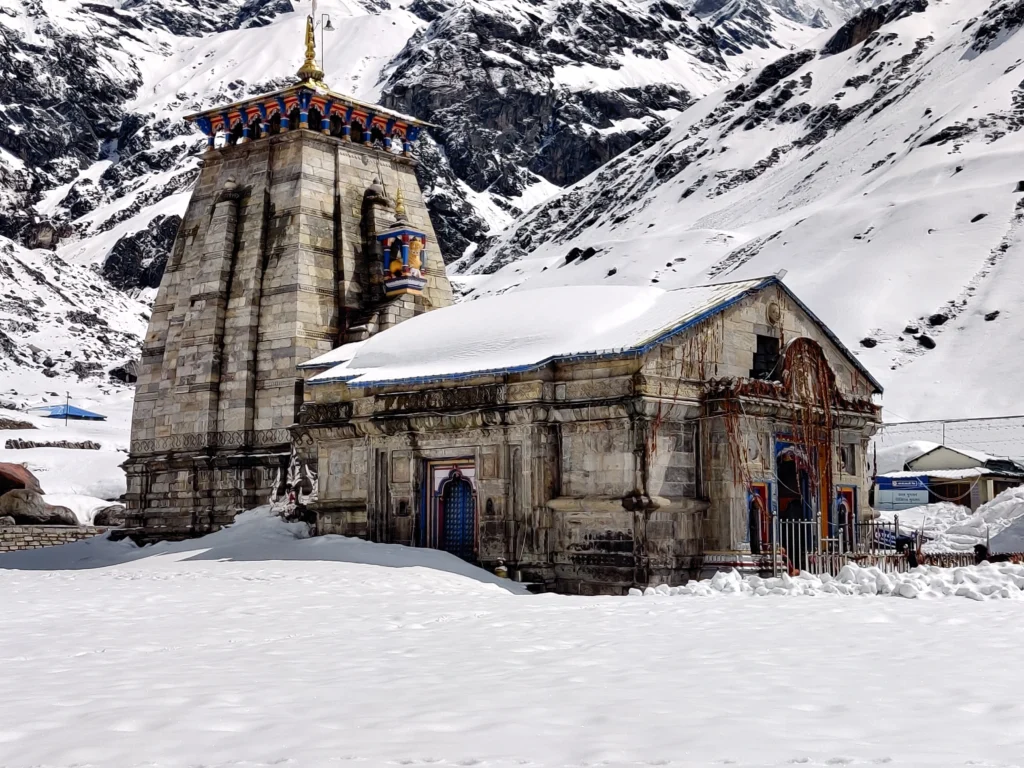
    When people hear the word Panch Kedar, the first image that often comes to mind is the majestic Kedarnath Temple. Located at an altitude of 3,583 meters, framed by the towering Kedarnath peak and Mandakini River flowing nearby, this temple radiates an energy so powerful that it leaves even non-believers speechless. Kedarnath is considered the most important among all the Panch Kedar temples, as it is where the hump of Lord Shiva appeared.

    The moment you step into Kedarnath valley, you feel something shift within you. The air becomes colder, purer, and strangely calming. The massive stone temple, believed to be rebuilt by Adi Shankaracharya over 1,200 years ago, stands strong even after countless natural calamities. The 2013 floods, which devastated the region, only strengthened people’s faith in the divine protection of Shiva, as the temple remained largely untouched despite the destruction around it.

    Kedarnath is not just a pilgrimage but an emotional experience. The trek leading to the temple—whether you take the 16 km route from Gaurikund or the helicopter ride—feels like a journey into a sacred realm. Along the way, the mountains whisper ancient stories, the river chants its own hymn, and pilgrims move with a sense of shared purpose. The temple itself is made of massive stone slabs, each one carrying centuries of devotion. Inside the sanctum, the unique triangular Shiva lingam represents both masculine and feminine energies, embodying balance and cosmic unity.

    The spiritual intensity of Kedarnath is unmatched. Many people say they experience instant calmness, emotional release, or a deep sense of silence when they stand before the sanctum. Whether it’s the high altitude, the sacred energy, or simply the realization of how small we are compared to the mighty Himalayas—something changes in everyone who visits.

    Kedarnath is more than a destination. It’s the beginning of your connection with the five forms of Shiva, setting the tone for the rest of the Panch Kedar Yatra. The temple marks the first step of surrender, devotion, and inner awakening—making it an experience that stays with you forever.

    2. Tungnath – The Highest Shiva Temple in the World

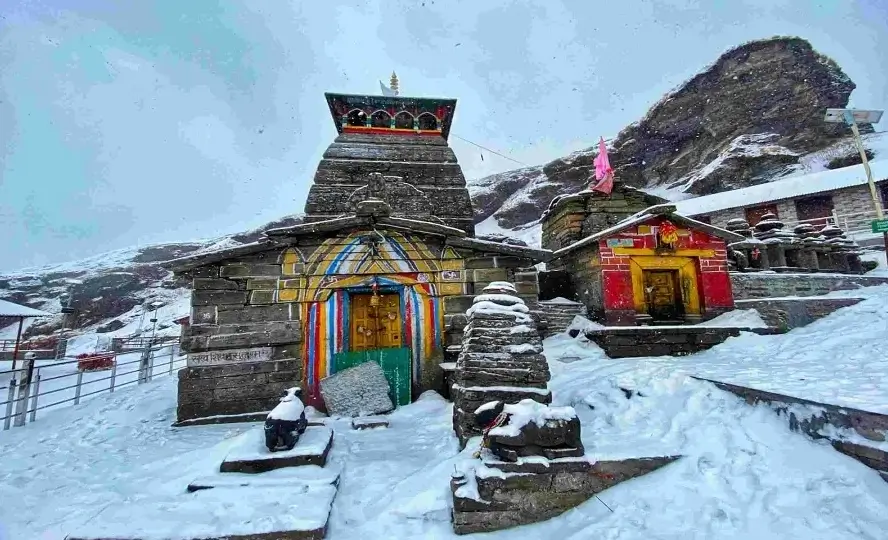
    Among all the temples included in the Panch Kedar, Tungnath stands as a divine marvel—both spiritually and geographically. Situated at an altitude of approximately 3,680 meters, Tungnath is the highest Shiva temple in the world, making it a jewel among the five Panch Kedar temples. The moment you begin your journey toward Tungnath, you realize you’re stepping into a sacred zone where nature cushions you with serenity, silence, and raw Himalayan beauty.

    The trek to Tungnath usually starts from Chopta, a charming hill station often referred to as the “Mini Switzerland of India” due to its lush meadows, snow-kissed peaks, and postcard-perfect landscapes. The 3.5 km trail to Tungnath is relatively short but steep, making it both challenging and incredibly rewarding. As you climb, the trail winds through vibrant rhododendron forests, rolling green slopes, and open meadows where clouds gently hover at eye level. Every step gives you breathtaking views of iconic Himalayan peaks, including Nanda Devi, Trishul, and Chaukhamba.

    But the charm of Tungnath isn’t just the beauty—it’s the energy. According to mythological stories from the Mahabharata, Tungnath is the place where the arms of Lord Shiva emerged when he disappeared into the earth to avoid the Pandavas. This is why the temple carries a powerful energetic signature, often described as “uplifting yet grounding.” When devotees reach the stone temple, surrounded by silence and towering mountains, the experience feels surreal. There’s an unmistakable purity in the air, and the peacefulness is so deep that many pilgrims find themselves meditating without even trying.

    The temple architecture is simple yet deeply spiritual, built with large stone slabs and adorned with ancient carvings. Despite the harsh weather conditions, Tungnath has stood strong for centuries, reflecting the resilience and holiness of Shiva. During summer, the temple opens with rituals performed by local Brahmins, while winter sees the deities being shifted to Ukhimath when snowfall makes the region inaccessible.

    What makes Tungnath special is that it offers a perfect blend of adventure and spirituality. Trekkers love it for its scenic trails, and devotees cherish it for its divine energy. Many people say that Tungnath is the temple where “the mountain speaks”—and honestly, once you sit quietly on its stone steps, watching the clouds drift across the sky, it’s hard not to believe that.

    3. Rudranath – The Natural Rock Temple of Lord Shiva

    panch kedar temple

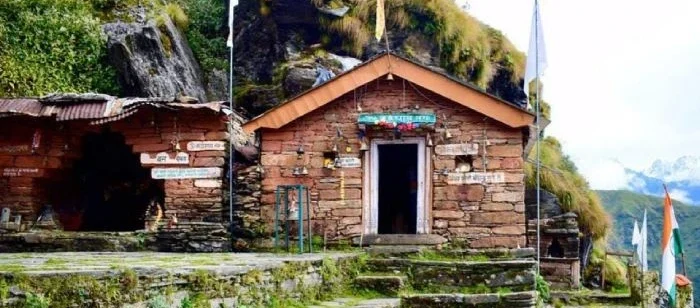
    If there is one temple in the Panch Kedar Yatra that truly feels like it belongs to another world, it is Rudranath. Hidden deep in the wilderness of Uttarakhand, Rudranath is the most mystical and remote among all the five Panch Kedar temples. This ancient shrine is dedicated to the face (mukha) of Lord Shiva, which is said to have manifested naturally in a rock formation. Unlike other temples where idols are carved by humans, the Rudranath form is believed to be shaped entirely by nature itself—making it incredibly divine and unique.

    Reaching Rudranath is a true test of devotion and determination. The trek is one of the toughest in the entire Panch Kedar route, stretching through dense forests, alpine meadows, slippery trails, and steep ascents. Most routes to Rudranath involve trekking for 18–22 km one way, depending on the starting point—Sagar Village, Lyuti Bugyal, or Urgam Valley. This is not a temple you just visit; it’s a temple you earn. And perhaps that is why the spiritual vibration here is unbelievably powerful.

    What sets Rudranath apart is the atmosphere. As you get closer, the surroundings become eerily quiet. Ancient trees tower above the path, clouds roll across the meadows like soft blankets, and the wind whistles with a mysterious calm. When you finally reach Rudranath, the temple sits among scattered rocks and high-altitude meadows called “bugyals,” giving the entire area a surreal, dreamlike appearance. Many pilgrims describe the place as a “gateway to another realm,” and honestly, the silence here feels divine.

    Inside the temple, Lord Shiva’s face appears naturally in a rock, smeared with sacred ashes and adorned with flowers. The atmosphere inside is dim, cool, and spiritually electrifying. The priests perform evening aarti with traditional Himalayan instruments, and the sound echoes across the valley, giving you goosebumps. Standing there, in the lap of untouched nature, you feel an overwhelming sense of peace, surrender, and connection.

    Rudranath teaches a profound lesson: spirituality is not always comfortable—it often requires effort, patience, and trust. And when you finally reach that sacred point, the rewards are beyond anything words can describe. Visiting Rudranath is not just a pilgrimage; it’s a transformation.

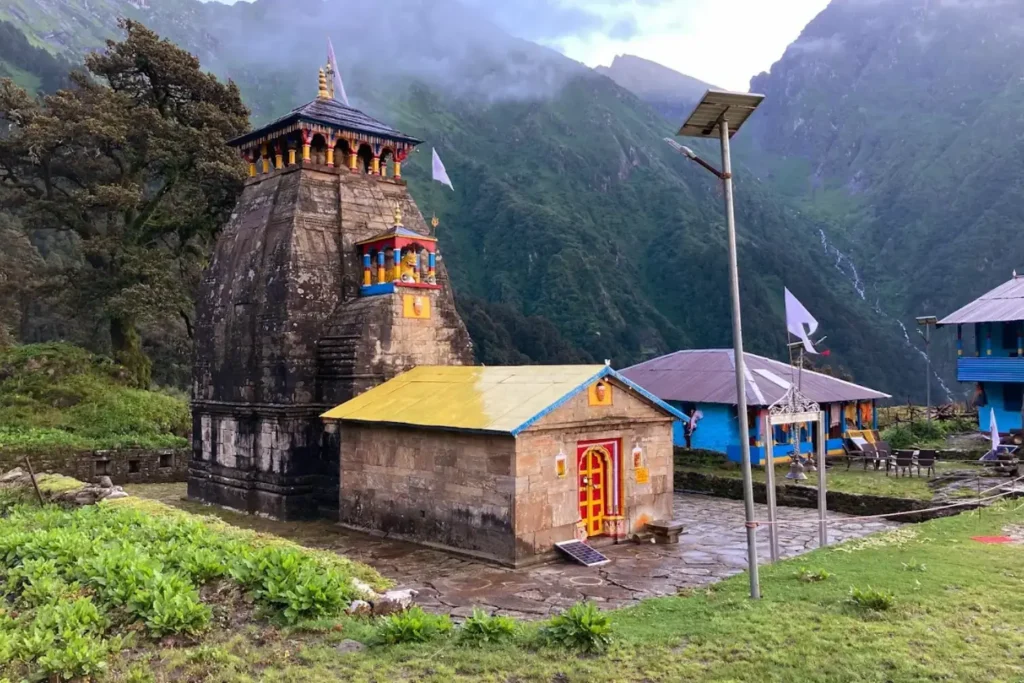
    4. Madhyamaheshwar – The Temple of the Navel Form of Lord Shiva

    panch kedar temple

    Among all the sacred sites that make up the Panch Kedar temples, Madhyamaheshwar (also known as Madmaheshwar) stands out as the epitome of serenity. Situated at an altitude of around 3,289 meters, this divine temple is where the navel (stomach) of Lord Shiva manifested. Because of this, the temple symbolizes nourishment, grounding energy, and emotional balance—qualities that every pilgrim feels deeply while visiting this incredible destination.

    Unlike Kedarnath or Tungnath, the path to Madhyamaheshwar is not just about climbing toward the sky but also about walking through some of the most soothing and refreshing landscapes in the Himalayas. The journey usually begins from Uniana or Ransi Village, where traditional wooden houses, terraced fields, and smiling Garhwali locals welcome you warmly. As you start trekking, you walk through dense forests filled with oak, rhododendron, and pine trees, accompanied by birdsongs that create a natural background score for your pilgrimage.

    What makes this trek particularly beautiful is the rhythm of the trail—it gradually climbs upward without overwhelming you. Many pilgrims say this is their favorite trek during the Panch Kedar Yatra, simply because it feels like nature holds your hand along the way. Clear mountain streams cross your path, small waterfalls trickle down from hidden cliffs, and lush meadows open up unexpectedly like nature’s surprise gifts. The air gets cooler as you ascend, and every now and then, snow-covered peaks peek at you through the trees.

    The temple itself is a masterpiece of simplicity and devotion. Built using classic Himalayan stone architecture, it has a quiet dignity that reflects the gentle energy of Shiva’s navel form. Inside the sanctum, the black stone lingam glows softly under the light of oil lamps, creating an atmosphere that feels intimate and sacred. Pilgrims often sit outside the temple for hours, simply absorbing the stillness that fills the valley.

    One of the most magical places near Madhyamaheshwar is Buda Madhmaheshwar, a sacred lake located higher up. It offers mirror-like reflections of peaks like Chaukhamba, making it one of the most iconic views of the entire Panch Kedar route. At sunrise or sunset, the mountains blush golden, and the lake reflects the colors like a divine painting—an experience that remains etched in memory forever.

    Madhyamaheshwar doesn’t just connect you with Shiva; it reconnects you with yourself. It offers healing, grounding, and inner peace—qualities much needed in our fast-paced lives. No wonder pilgrims feel emotionally recharged after visiting this peaceful jewel of the Panch Kedarnath circuit.

    5. Kalpeshwar – The Only Panch Kedar Accessible All Year

    Panch kedar temple

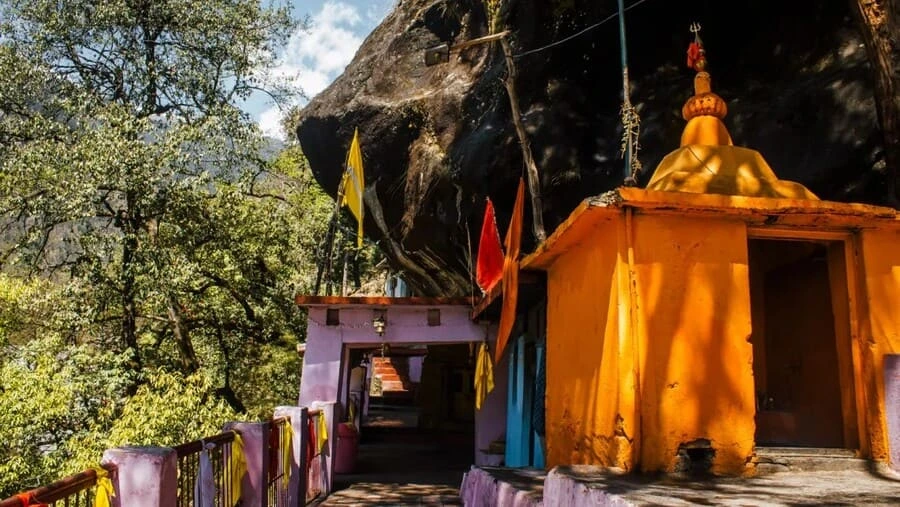
    The journey through the Panch Kedar temples concludes beautifully at Kalpeshwar, the only shrine among the five that remains open throughout the year. Located at a comparatively lower altitude of about 2,200 meters in the serene Urgam Valley, Kalpeshwar is the place where Lord Shiva’s matted hair (jata) appeared. This unique representation gives Kalpeshwar a gentle, grounding, and nurturing energy, making it perfect for pilgrims who seek spiritual closeness in a peaceful environment.

    Unlike the challenging treks required for the other Panch Kedar temples, Kalpeshwar is more accessible. The journey usually begins from Helang on the Badrinath Highway, followed by a scenic drive into the Urgam Valley, where terraced farms, apple orchards, and traditional wooden homes create a heartwarming Himalayan atmosphere.

    From there, a short trek of around 2–3 km leads you to the temple. The route is lined with streams, narrow pathways, and vibrant greenery, making it a refreshing walk even for beginners and elderly pilgrims.

    What makes Kalpeshwar truly special is its setting. The temple is nestled inside a natural rock cave, giving it a mystical and almost secretive vibe. The moment you enter the cave, the temperature drops, and the silence deepens. Oil lamps flickering against the rock walls create a serene ambience that feels ancient and untouched. The Shiva lingam inside the cave is naturally formed and is worshipped as the divine jata of Shiva.

    Kalpeshwar is also the place where sage Durvasa is believed to have meditated, and the cave is said to radiate an energy ideal for deep contemplation and inner work. Many saints and yogis still visit the region for long meditation retreats because of its grounding vibe and isolation from modern distractions.

    Another beautiful aspect of Kalpeshwar is the connection with local culture. The villagers of Urgam Valley are warm, spiritual, and incredibly respectful toward pilgrims. Their simple lifestyle, smiles, and hospitality leave a lasting impression on anyone who visits. If you’re someone who loves cultural immersion, Kalpeshwar offers a rare chance to experience Garhwali traditions closely.

    Since it is open year-round, Kalpeshwar often becomes the gateway for pilgrims who want to begin or end their Panch Kedar Yatra with ease. Its peaceful environment makes it the perfect final stop—a place where you can sit quietly, reflect on your journey, and thank Shiva for guiding you through all five sacred temples.
    The Panch Kedar Yatra Route

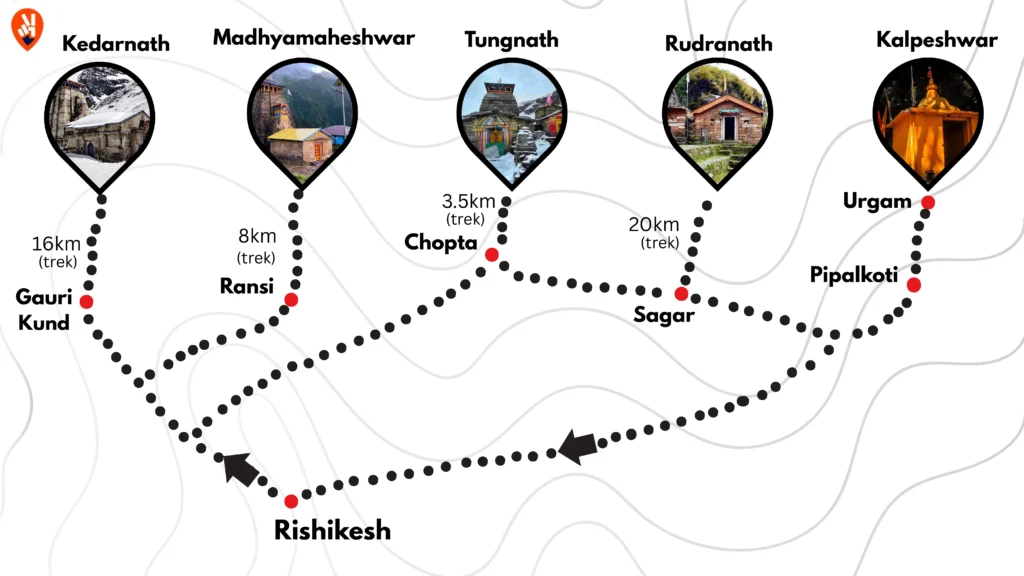
    The Panch Kedar Yatra is not just a spiritual pilgrimage—it’s one of the most adventurous and soul-nourishing journeys you can experience in the Indian Himalayas. What makes the route truly fascinating is that it follows the same order in which the five parts of Lord Shiva manifested across Uttarakhand. This creates a ritualistic flow of energy, allowing pilgrims to progressively connect with each form of Shiva. The recommended order is:

    Kedarnath → Tungnath → Rudranath → Madhyamaheshwar → Kalpeshwar.

    The Yatra usually begins at Kedarnath, the most significant of the Panch Kedar temples. Pilgrims often spend a day acclimatizing in Guptkashi or Sonprayag before trekking toward Kedarnath. The route from Gaurikund is scenic, emotional, and full of shared devotion as hundreds of pilgrims climb together. After offering prayers at Kedarnath, you move to Chopta, the base point for the Tungnath trek. This part of the journey takes you through forests, open meadows, and winding mountain roads that feel like nature is guiding you forward.

    After exploring Tungnath and the nearby summit of Chandrashila (optional but highly recommended), the route shifts toward Rudranath, which is the most challenging segment of the entire Yatra. Reaching this temple requires long treks through remote and wild terrain, but the reward is unmatched serenity and spiritual depth. Once Rudranath darshan is completed, you descend toward Ukhimath and Ransi to begin the trek to Madhyamaheshwar. This part of the journey brings balance and peace, as the landscapes here are more soothing and the trail is filled with natural beauty.

    Finally, the Yatra concludes at Kalpeshwar, the easiest among the five temples. The temple lies in the calming embrace of the Urgam Valley. Most pilgrims find this last stop deeply satisfying because it offers time to reflect on the journey, express gratitude, and soak in the grounding energy of Shiva’s jata.

    Travelers often say that the Panch Kedar Yatra feels like moving through five different worlds—each temple has its own energy signature, terrain, and emotional impact. The route isn’t just a physical path; it’s a spiritual progression, guiding you from intensity to clarity, from challenge to peace, and finally from devotion to gratitude. Those who complete the entire circuit often describe it as one of the most meaningful experiences of their lives.

    For updated route details and road conditions, check the official Uttarakhand tourism site

    Best Time to Visit Panch Kedar

    Because the Panch Kedar temples are located in the high-altitude Himalayan region, the weather plays a major role in shaping the pilgrimage experience. The temples (except Kalpeshwar) remain closed during winter due to heavy snowfall. So, choosing the right time to embark on the Panch Kedar Yatra is crucial—not only for safety but also for enjoying nature’s beauty and absorbing the spiritual atmosphere fully.

    The best time to visit Panch Kedar is between May and October, with the Yatra season generally divided into three phases: early summer, monsoon, and post-monsoon.

    1. Early Summer (May to June)
    This is the most popular time for the Yatra. The weather is pleasant, the skies are clear, and the trails are easier to navigate. Meadows bloom with flowers, rivers run crystal clear, and trekking conditions are ideal. This season is particularly favorable for visiting Kedarnath and Tungnath because the surrounding peaks remain snow-covered, creating a magical backdrop.

    2. Monsoon (July to August)
    While the mountains look lush and beautiful, heavy rains make this season risky due to landslides and slippery trails. Most tourists avoid trekking during this period. However, if someone loves peace, greenery, and solitude, late August—when the monsoon weakens—can feel incredibly serene. But caution is a must.

    3. Post-Monsoon (September to October)
    This is considered the best season for completing the entire Panch Kedar Yatra. The rainy season washes everything fresh, leaving behind clear skies, crisp air, and stunning views. The trails become stable again, making the treks to Rudranath and Madhyamaheshwar more comfortable. Photography lovers adore this period because the visibility is excellent and landscapes appear vibrant.

    Winter (November to April) brings heavy snowfall, and all temples except Kalpeshwar close during this time. If you want to experience winter beauty, you can still visit Kalpeshwar and the winter homes of the deities, such as Ukhimath.

    Choosing the right season enhances everything—your safety, your trekking comfort, and your spiritual connection. Visiting Panch Kedar at the right time allows you to enjoy the journey without rushing, without stress, and with a deep sense of presence.

    To check real-time weather before planning your Panch Kedarnath trip, visit the IMD weather portal.

    Accommodation During Panch Kedar Yatra

    Accommodation plays a vital role in shaping your overall experience during the Panch Kedar Yatra, especially because each temple is located in a remote Himalayan region where lodging options can be limited. But the beauty of this journey is that you get to experience every kind of hospitality—from simple village homes to comfortable hotels that make you feel rejuvenated after long treks. Among the best accommodation partners you can rely on throughout your journey is Travel to Nirvana Hotels, known for offering clean, comfortable, traveler-friendly stays strategically located across Uttarakhand.

    Let’s start with Kedarnath, the most visited among all the Panch Kedar temples. Accommodation here includes GMVN guesthouses, tents, dormitories, and private lodges. However, if you want a smooth, pre-planned, and stress-free stay, booking with Travel to Nirvana Hotels is an excellent choice. They provide reliable arrangements in base locations like Sonprayag, Guptkashi, and Sitapur—ensuring a comfortable night’s rest before and after your Kedarnath trek. Their rooms are clean, cozy, and perfect for acclimatizing before the high-altitude climb.

    For Tungnath, there are no hotels right at the temple due to its elevation, but Chopta—the base village—offers picturesque stays. Here too, Travel to Nirvana Hotels partners with some of the finest cottages, eco-lodges, and hillside camps that offer breathtaking mountain views, warm food, and peaceful ambiance. After a long day’s trek, resting in a well-managed cottage makes a huge difference in your energy level.

    Moving to Rudranath, the trail becomes more remote. While the temple area itself only offers basic huts and dharamshala-style accommodations, Travel to Nirvana Hotels provides reliable stays at Sagar Village and Urgam Valley—the main starting points for the trek. This gives you the comfort of a proper bed and warm meals before beginning one of the toughest yet most rewarding trails of the Panch Kedarnath route.

    For Madhyamaheshwar, the charm lies in the homestays run by local villagers. Although most accommodations are traditional and simple, Travel to Nirvana Hotels ensures you get verified, safe, and traveler-approved homestay options in Ransi, Gaundhar, and the temple vicinity. Their curated stays take away the guesswork and guarantee comfort after long trekking hours.

    Finally, Kalpeshwar, located in the peaceful Urgam Valley, offers some of the best homestays in the region. Travel to Nirvana Hotels has strong tie-ups here too, offering scenic hillside rooms with excellent food and hospitality. It’s the perfect place to end your journey with comfort, silence, and gratitude.

    Across the entire panch kedar yatra, choosing Travel to Nirvana Hotels gives you peace of mind, safe accommodation, and a consistent quality of stay—something truly valuable in the unpredictable Himalayan terrain. Their presence throughout the major base points makes your pilgrimage smoother, more organized, and a lot more enjoyable.

    Local Culture & Traditions of Uttarakhand

    One of the most heartwarming and unforgettable aspects of the Panch Kedar Yatra is the cultural richness you experience along the way. Uttarakhand isn’t just a land of temples—it’s a land of traditions, music, folklore, and unmatched Himalayan warmth. Every valley carries its own rhythm, every village has its own stories, and every local you meet becomes a part of your journey in some way. The hospitality of the Garhwali people is so genuine that travelers often say the culture itself feels like a blessing from the Himalayas.

    As you move from Kedarnath to Tungnath, Rudranath, Madhyamaheshwar, and Kalpeshwar, you notice how the pace of life slows down. Villagers wake up with the sun, farms bloom with seasonal crops, and conversations happen without hurry. Simplicity is the language of the mountains. Locals greet you with a warm “Namaskar,” offer water without being asked, and sometimes share stories about how their ancestors served pilgrims for centuries. This tradition of service is deeply rooted in their belief that every traveler is blessed by Lord Shiva.

    Music is another charming part of the culture. If you’re lucky, you might hear locals sing the soulful Jagar, a devotional folk ritual performed to invoke deities and ancestral spirits. The sound of dhol, damau, and traditional chants echoes beautifully through the valleys. During festive seasons, people gather in their traditional attire—women in colorful pichhauras and men in woolen caps—to celebrate with dance, food, and community bonding.

    Uttarakhand’s cuisine adds another layer of warmth to your panch kedar yatra experience. Simple yet hearty dishes like Mandua roti, Aloo ke Gutke, Chainsoo, Kafuli, and Jhangora kheer provide both comfort and energy for demanding treks. Many homestays, especially those partnered with reliable networks like Travel to Nirvana Hotels, serve authentic Garhwali meals cooked with local ingredients—often organic and traditionally prepared.

    The region is also rich in spiritual practices. Villagers believe deeply in nature. Mountains are considered living deities, rivers are worshipped, and forests are respected as protectors. This creates an atmosphere where spirituality isn’t limited to temples—it’s woven into daily life. Pilgrims often say that walking through these culturally rich villages feels like stepping into a sacred timeless world.

    The people of Uttarakhand don’t just live near the Himalayas—they live with the Himalayas. Their traditions are shaped by the land, their prayers echo in the valleys, and their stories blend beautifully with the mythology of the Panch Kedar temples. Experiencing this culture is like receiving a warm embrace from the mountains themselves.

    Travel Tips for a Safe Panch Kedar Yatra

    The Panch Kedar Yatra is a journey of faith, adventure, and personal transformation—but it also requires preparation, awareness, and caution. The Himalayas are gorgeous, but they’re also unpredictable, and being mindful of a few essential travel tips can make your entire pilgrimage safe, smooth, and deeply fulfilling. Whether you’re a first-time trekker or a seasoned traveler, these tips are invaluable.

    The first and most important rule is: acclimatization matters. Since most Panch Kedar temples lie at high altitudes, you must give your body time to adjust. Spending a day in Guptkashi, Ukhimath, or Chopta before heading to the higher altitudes can prevent altitude sickness. Drink plenty of water, avoid heavy meals before trekking, and listen to your body closely.

    Second, always check the weather forecast. The Himalayas can shift from sunny to rainy within minutes. Sudden fog or rain can make trails slippery, especially on the routes to Rudranath and Tungnath. If the weather looks uncertain, postpone the trek for a few hours. Safety should always be your priority.

    Hiring a local guide is another smart decision. They know the trails, weather behavior, shortcuts, and safe zones far better than any map. Plus, their presence adds cultural richness and emotional security to your journey.

    Footwear is crucial. A good pair of trekking shoes is non-negotiable for the panch kedarnath routes. Poor footwear is one of the biggest reasons pilgrims face difficulty or injuries.

    When trekking, always keep your energy levels balanced. Carry nuts, chocolates, ORS sachets, and water. Breaks are essential—don’t rush. The Panch Kedar Yatra is not a race; it’s a spiritual walk.

    Also, avoid trekking alone, especially near Rudranath or in forest sections. Stick to marked trails. The mountains demand respect.

    Finally, always pre-book accommodations through trusted providers like Travel to Nirvana Hotels, ensuring safety, hygiene, and comfort at every stop. A good night’s rest can dramatically improve your trekking stamina.

    If you follow these tips, your Panch Kedar Yatra will be safe, peaceful, and unforgettable—just the way it’s meant to be.

    Conclusion

    The journey through the Panch Kedar temples is far more than a pilgrimage—it’s a walk through timeless legends, breathtaking landscapes, and deep spiritual transformation. From the mighty presence of Kedarnath to the serene heights of Tungnath, from the mystical aura of Rudranath to the peaceful embrace of Madhyamaheshwar, and finally to the grounding calmness of Kalpeshwar—the Panch Kedar Yatra is a complete spiritual cycle. Each temple represents a unique form of Lord Shiva, allowing devotees to connect with the divine in five profoundly different ways.

    What makes this journey truly unforgettable is the mix of devotion, adventure, and nature’s purity. The Himalayas test your strength but reward you with unforgettable moments—the sound of temple bells echoing in the valleys, the peace of golden meadows, the warmth of local hospitality, and the quiet power of ancient legends. This isn’t just a trek or a religious visit; it’s a journey where your mind slows down, your heart opens up, and your soul feels lighter.

    Whether you’re seeking spiritual awakening, an escape into nature, or a bucket-list trek in the Himalayas, the Panch Kedarnath route offers it all. And with proper planning, the right accommodation partners like Travel to Nirvana Hotels, and an open heart, your pilgrimage will become a cherished memory you’ll carry throughout your life.

    If you’ve ever dreamt of connecting with the divine, healing your inner self, or simply experiencing the Himalayas in their purest form—this is your sign. Embark on the Panch Kedar Yatra. Let the mountains guide you, let Shiva bless you, and let the journey change you.

    FAQs

    How many temples are included in the Panch Kedar Yatra?

    The Panch Kedar Yatra includes five temples dedicated to Lord Shiva—Kedarnath, Tungnath, Rudranath, Madhyamaheshwar, and Kalpeshwar. Each temple represents a unique manifestation of Shiva.

    According to tradition, the Yatra begins with Kedarnath, as this is where Lord Shiva’s hump appeared. The journey then continues to Tungnath, Rudranath, Madhyamaheshwar, and finally Kalpeshwar.

    The ideal time is from May to October. Early summer offers pleasant weather, while September–October provides clear skies and perfect trekking conditions. Only Kalpeshwar remains open throughout the year.

    Some parts are easy, while others are challenging. Kedarnath and Tungnath have moderate treks, Madhyamaheshwar is fairly manageable, while Rudranath is the toughest due to long distances and rugged terrain.

    Base points like Sonprayag, Chopta, Ukhimath, Ransi, and Urgam Valley offer stays through homestays, camps, and lodges. For reliable, comfortable, and well-managed stays, Travel to Nirvana Hotels is highly recommended throughout the journey.